hours, 1:1 or on your work, for founders and product leads

Same hours. You decide whether I'm coaching or building.

Buy a block of my time and spend it however it helps. Some people use it to think out loud with someone who has shipped the thing they're trying to ship. Some people hand me the work and I build it with them. Most end up doing both, out of the same pack.

Coaching illustration

01 two ways to spend them

The hours are the same. What you point them at is yours.

There is one rate and one set of packs. The only real question is whether you want me thinking alongside you or working on the thing itself. You do not have to decide up front, and you do not have to pick one: the same block covers both.

/ coach me

hours with me

You bring the decision, the draft, or the conversation you have been avoiding. We open the real artifact and move it forward inside the hour. This is the pressure-test relationship: someone who will hold the call up to a light without taking it personally, and who has shipped the thing you are trying to ship.

positioning · what to build next · the hard call · pitch and narrative

/ build it with me

hours on your work

You hand me the work and I build it, with you rather than away from you. A deck system, a positioning rewrite, a PRD, a working prototype. You get the artifact and the notes on how it was made, so the next one does not need me. Done with you is the whole point; it is never done for you and handed over as a mystery.

decks and narrative · positioning rewrites · PRDs · prototypes

02 three sizes

Match the size to how often you'll actually use it.

The per-hour rate is the same starting point for everyone. The rebates come from the commitment: a pack of hours costs less per hour than a single one, and an ongoing engagement costs less per hour than a pack. Pick the shape that matches how you actually want to work.

/ 01 / by the hour
a single hour
1 hour no commitment

The simplest way to start. You bring one decision, one artifact, or one stuck conversation. We use the hour to work on it together. If the hour is enough, that's a complete engagement. If it isn't, we have a real sense of what a longer setup would look like.

  • A 60-minute working call.
  • A short prep doc you fill out beforehand.
  • A followup note within 48 hours.
from 2,400 NOK / 240 EUR per hour
book the hour
most chosen / 02 / hour packs
a pack of hours
5, 10, or 20 hours rolling 6-month window

When you know you'll want me at several points across a quarter, prepay a block of hours and pull from it as you need them. The per-hour rate drops, and the friction of asking goes with it. Spend the block however it helps: calls at the inflection points, or handing me a piece of work to build. Most people end up doing both out of the same pack.

  • A bank of hours, prepaid up front.
  • Spend them on calls, on delivery, or on both.
  • Six months to use them, so there is no rush.
5 hours
11,000 NOK / 1,100 EUR
10 hours
21,000 NOK / 2,100 EUR
20 hours
40,000 NOK / 4,000 EUR
2,200 down to 2,000 NOK per hour
buy a block
/ 03 / ongoing
a longer engagement
monthly min. one quarter

Standing relationships, often fractional in shape. We agree on a monthly cadence, a rough number of hours, and what success looks like for the engagement. The per-hour rate is the lowest here because the commitment is real on both sides. Best for founders, product leaders, and senior individual contributors who want a peer in the room over time.

  • Monthly retainer or fractional setup.
  • Lowest effective per-hour rate.
  • Pause or rescope at the end of any quarter.
below the pack rate, scoped per engagement
start the conversation

Per-hour rate is ex-VAT. The 2,400 NOK floor is for buying time one hour at a time with no commitment. Prepaid packs and ongoing engagements get a rebate against that floor, scoped together when we agree on the shape. EUR figures are rounded for readability, not the rate of the day.

03 what the working sessions look like

Working sessions, not lectures.

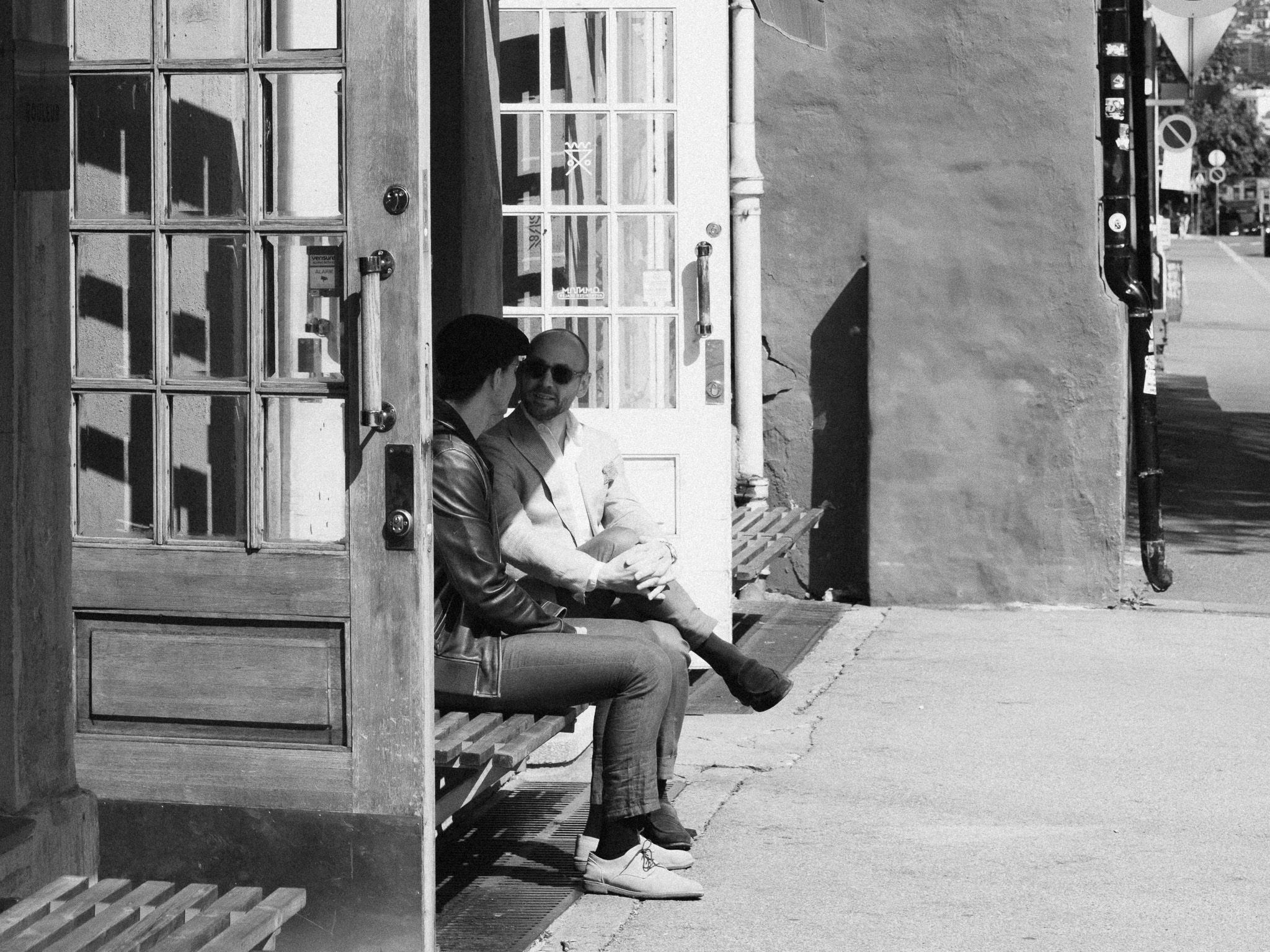
A coaching conversation on a sunny morning in Oslo

04 what people actually bring

The topics people bring.

This isn't a curriculum. It's a list of what comes up most often. Bigger means more often. The thing you bring may not be on the wall yet, and that's also fine.

How sessions work

You bring the agenda. I bring the questions. We start in your actual artifact, whatever shape it's in.

Sometimes we leave the agenda behind. That's usually the session you needed.

/01 positioning /02 what to build next /03 founder and team comms /04 AI-native decisions /05 pricing and packaging /06 pitch and narrative /07 hiring your first PM /08 public speaking /09 career-shape questions /10 going independent /11 shipping under pressure /12 using claude and cursor properly /13 founder fatigue /14 the thing nobody on your team can say

05 how a session actually runs

The shape of a coaching session, before and after.

before the call

You fill out a short prep doc.

The doc is two questions: what are you actually trying to decide, and what have you already tried. I read it before we meet so we don't spend the first 15 minutes on context.

during the call

We work inside the real artifact.

A doc, a deck, a half-built feature, a Claude conversation, a draft email. We open the thing and move it forward live. You leave with something different from what you came in with.

within 48 hours

I send a followup note.

Three or four bullets capturing what we decided, what I'd do next if it were mine, and any links or examples I mentioned. Short enough to forward to a co-founder. Concrete enough to act on Monday.

between calls

You can reach me async.

On ongoing engagements, you can drop a message between sessions and I'll respond inside the working week. Voice notes are welcome. A half-formed thought is fine. The point is to keep moving.

/ next move

Book a single hour. We'll figure out the right shape after.